



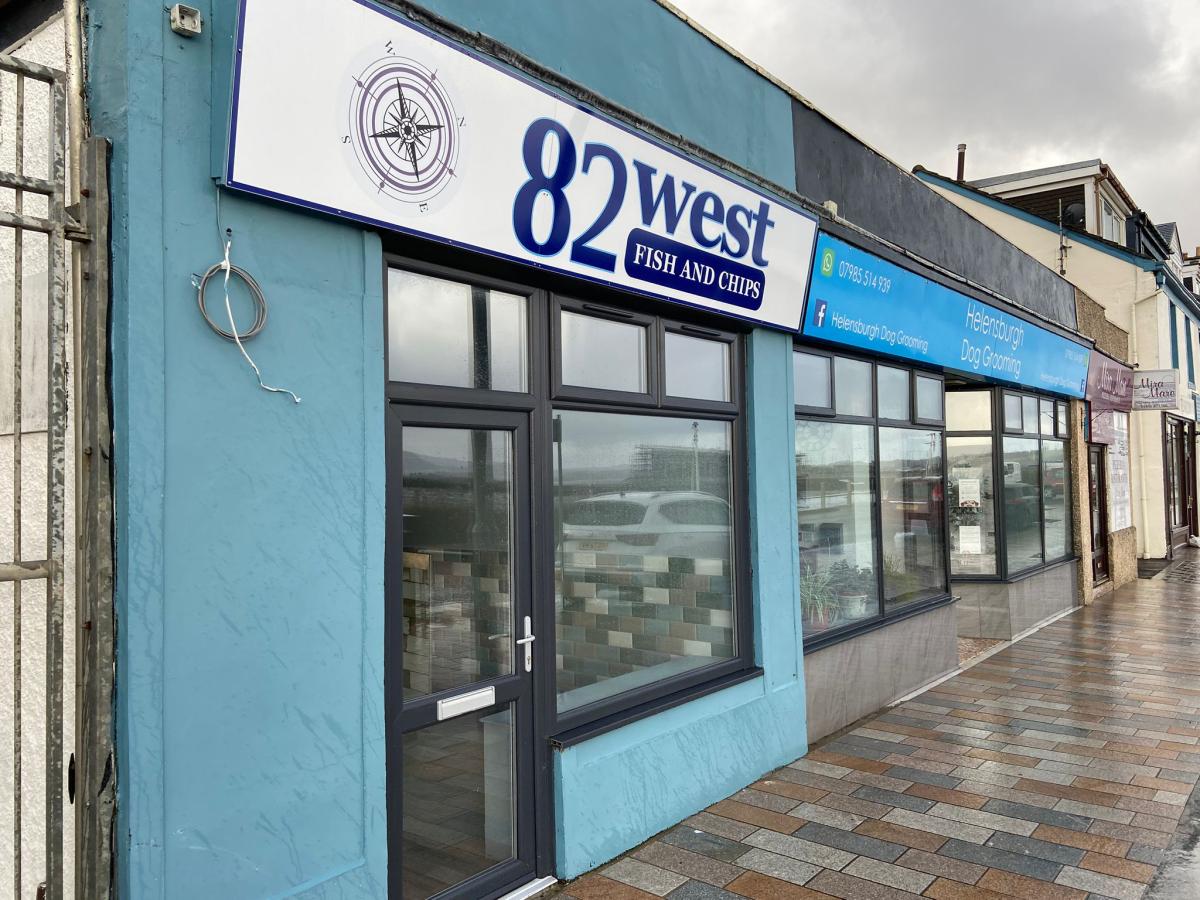

A HELENSBURGH chippy has been forced to raise its prices due to the ongoing war in Iran and fish quotas.
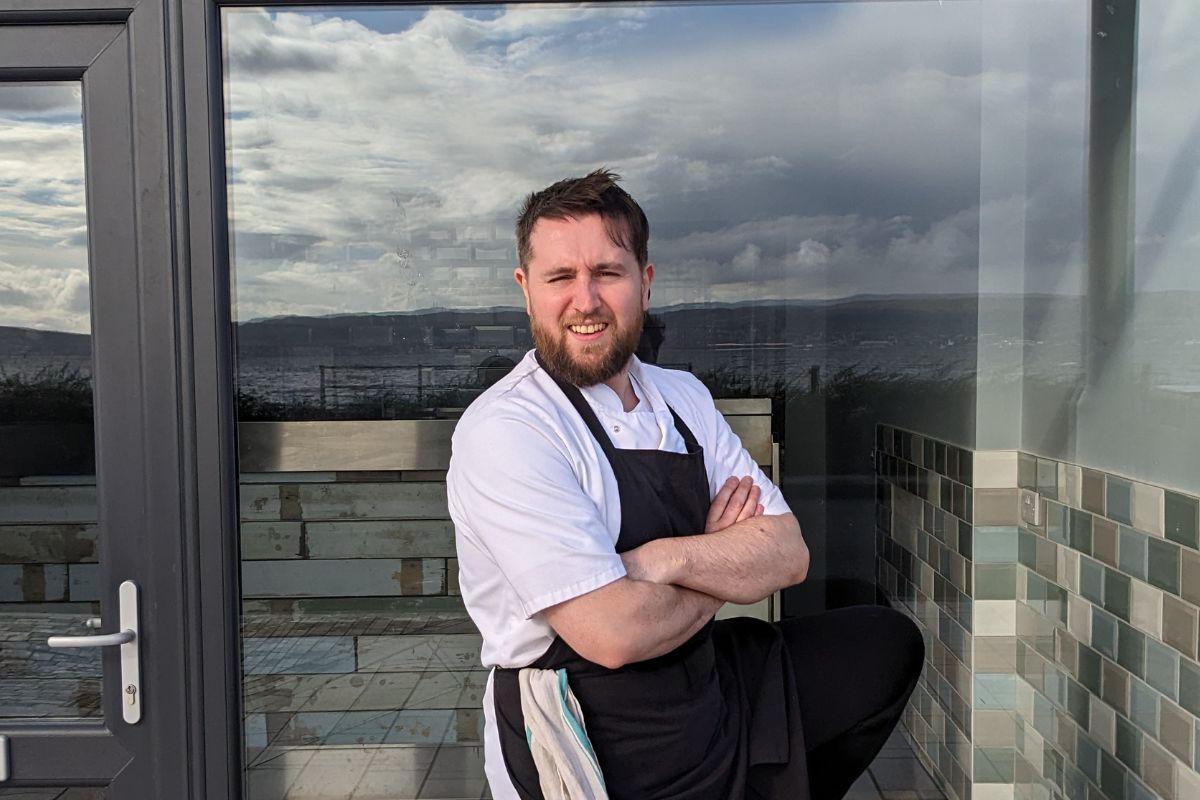
Andrew Tindal, chef at 82 West, said the rising cost of fuel has added cost pressures that he now has to pass on to customers.
Reduced quotas for cod were putting more demand on haddock and raising those costs as well, he told the Advertiser.
He apologised on social media to customers but said that the fuel and food costs, along with increases to tax and minimum wage, mean "it's now out of our control".

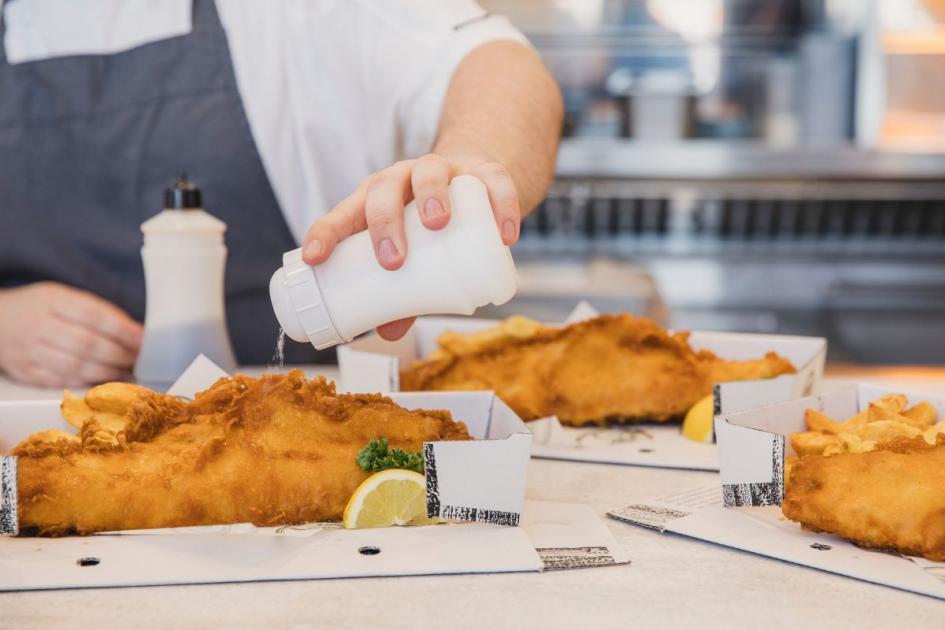
Mr Tindal explained he tried to keep prices down. But where a haddock supper cost £11.50 when he opened the West Clyde Street venue late last year, that is now up to £13.50.
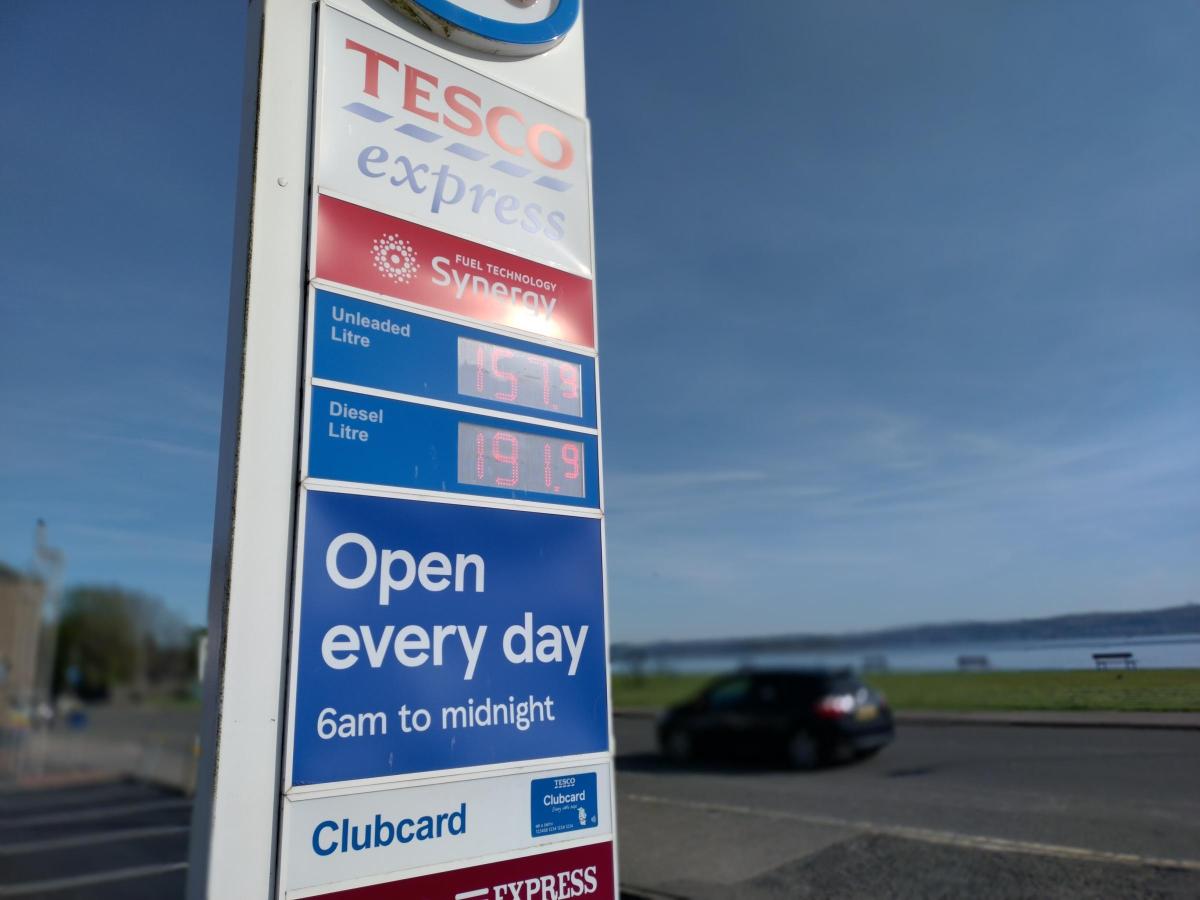
"There are pressures from a few different areas," he told the Advertiser. "Fuel prices caused by the situation in Iran, shortages recently at the fish market... It's a trickle-down cost."
He said the hospitality industry needed a reduction in VAT to encourage the use of fresh ingredients, as he does.

"There are lots of little pressures I have discovered as a business owner I didn't know as an employee or customer," he added.
Irina Agostinelli, of Fabric and Finery, agreed that costs from rising wages and tax were contributing.
"Prices have indeed gone up but in our sector they have not gone up more than they usually would," she said.
"What kills us is staff cost and social insurance contributions. It's priced us out the market.
"People come to us for labour-intensive purchases, matching up colours, finding buttons and ribbons etc and their purchases are in zero correlation with the staff cost attributed to this very sale.
"That is why online you can only buy full reels of ribbon, 100 buttons etc, otherwise it is too labour intensive.
"So the whole idea of a haberdashery where you can buy what you need and get advice about the right fabric and interfacing for the project, is no point if then the customer does not want to pay a penny more for the goods as advertised online by companies who would not interact with you at all.
"So, from what income shall I pay the staff then? This is what is killing the high street, really, people's non-understanding that staff are not free."

Wend Hamilton, of Grasshopper Toys and the Federation of Small Businesses, said the pressures on businesses of all sizes "now feel relentless".
"Instability in the Middle East has kept freight and fuel costs elevated for far longer than most small businesses can comfortably absorb, and those costs filter through every link in the supply chain before they reach us," she said.
"Meanwhile, the UK Government has shown precious little appetite for addressing the structural reasons why British businesses pay so much more for electricity and gas than our European competitors.
"Add to that April's employer National Insurance increases, combined with a lower threshold, on top of a significant jump in the National Living Wage, and you have a combination that is genuinely punishing for any business with staff.
"We absorb what we can, but the point comes when we have no choice but to pass costs on, and there's a limit to how long that's sustainable.
"What's frustrating is that these are largely policy choices, not just global bad luck, and small high street businesses are carrying a disproportionate share of the burden."


Share